
Products
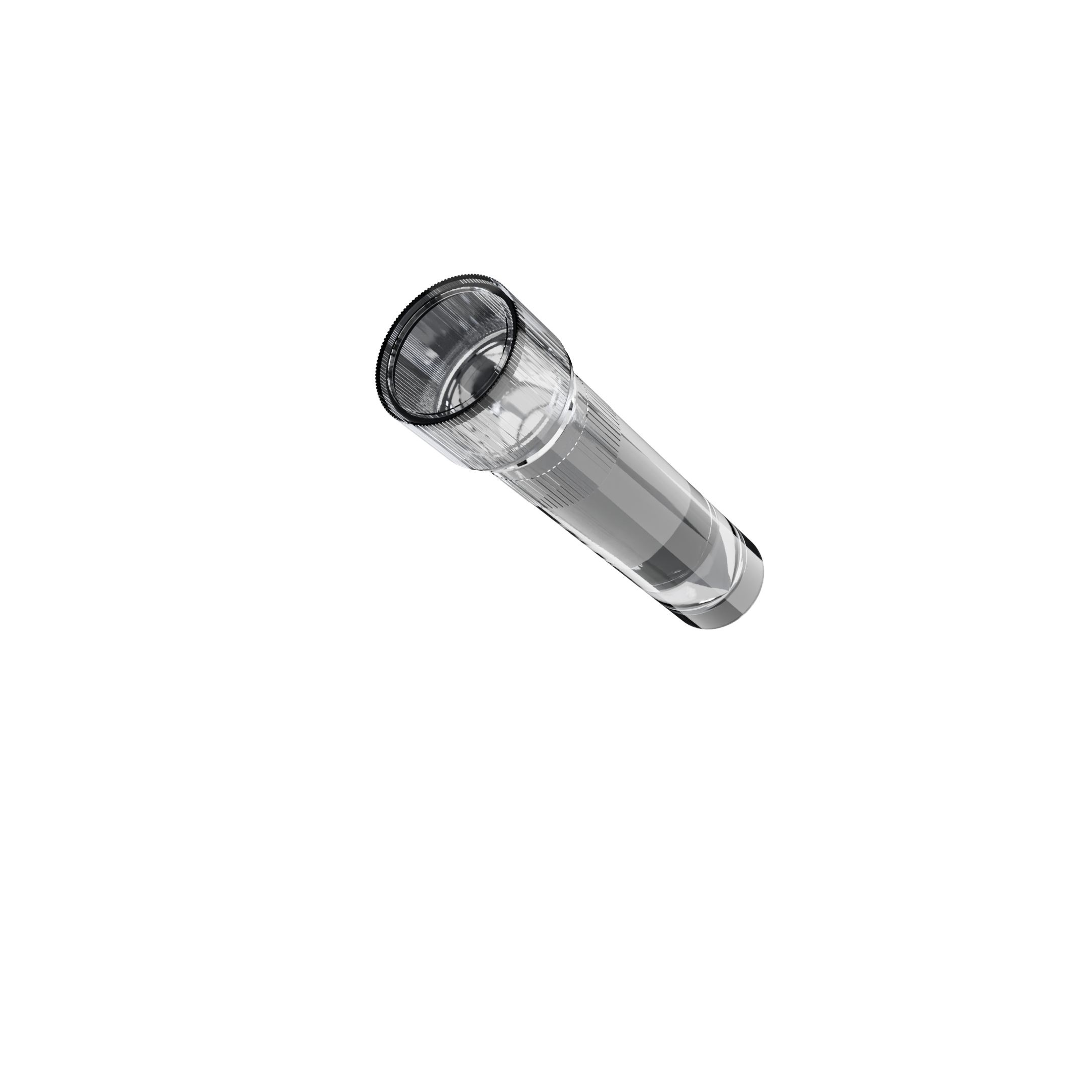
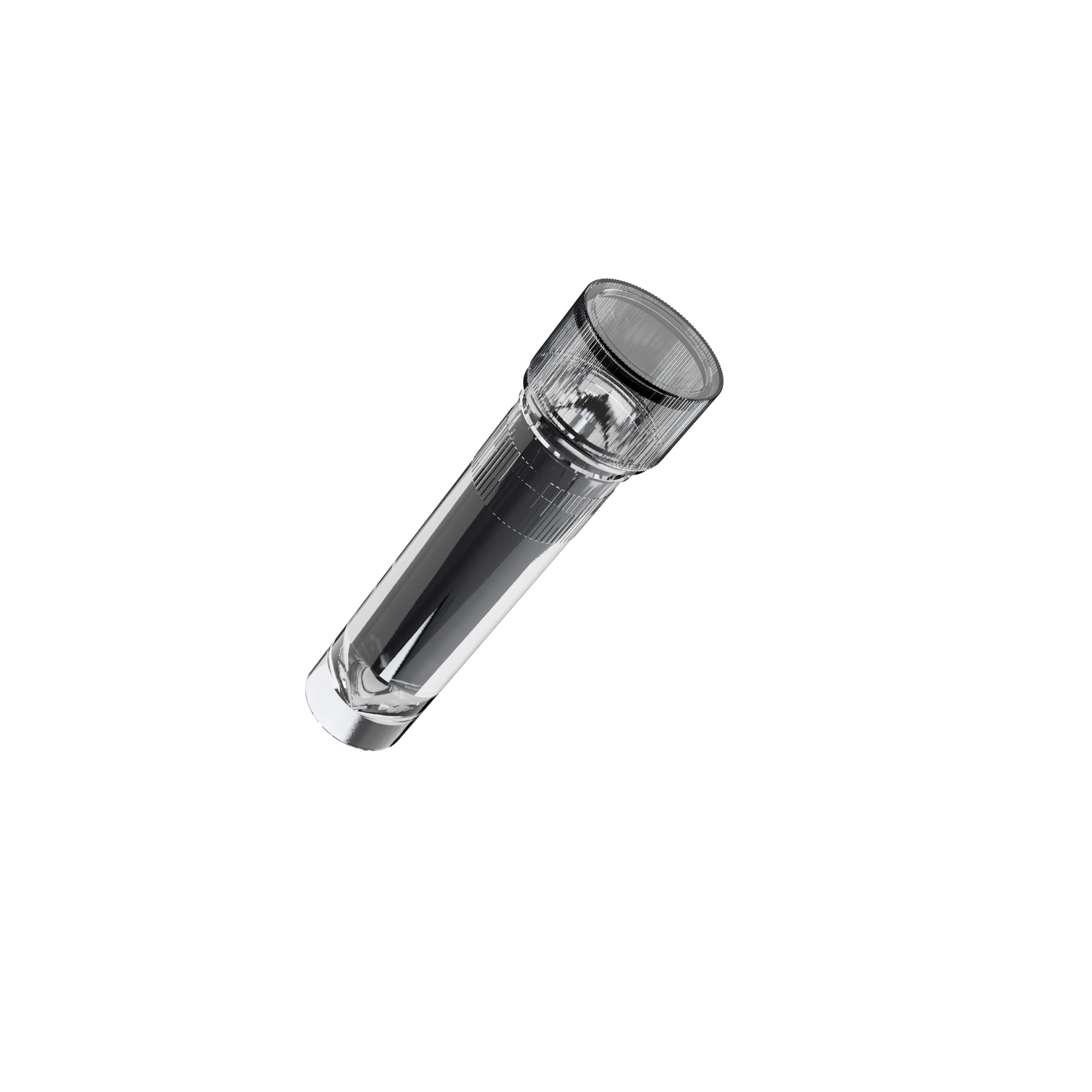
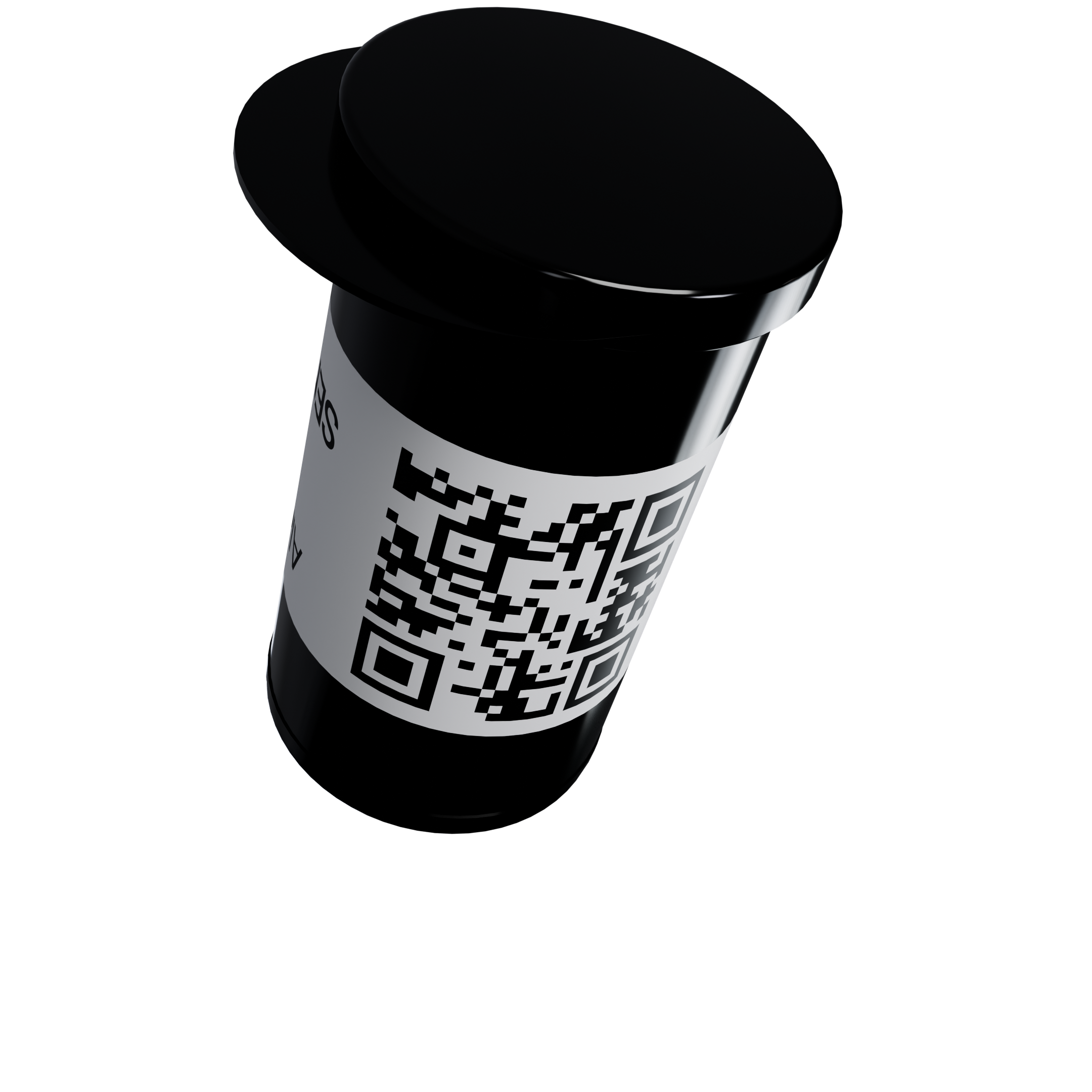
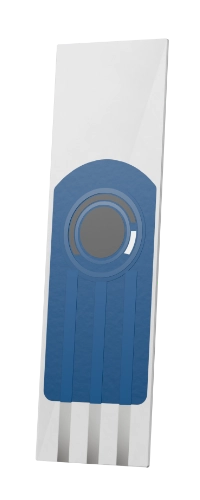
DirectSens®
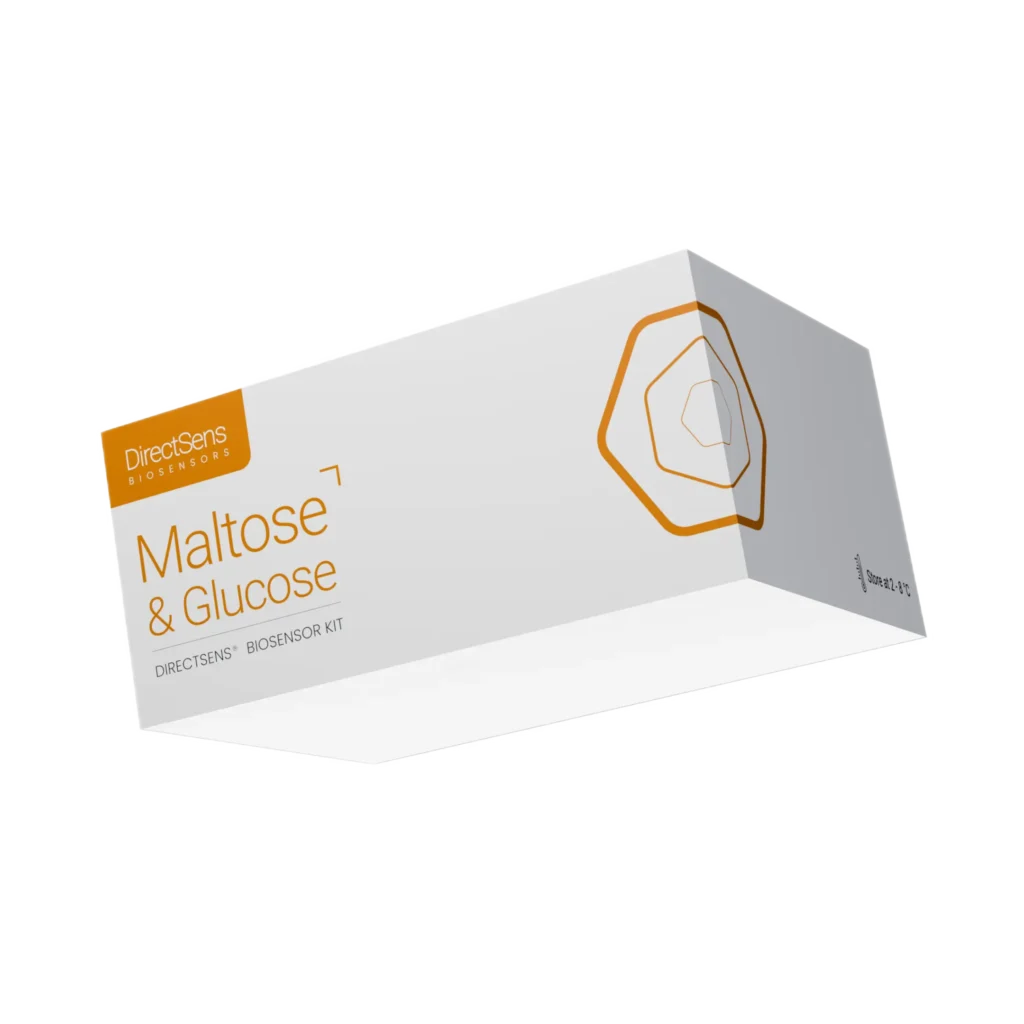
Maltose & Glucose Biosensor Kit
Measuring Range
Maltose: 1 – 120 g/L
Glucose: 1 – 120 g/L
Applications
Oat, rice, spelt drinks and malt extracts
Included
2 x 25 biosensors, factory calibrated
2 x 1.8 ml glucose buffer
2 x 1.4 ml maltose buffer
2 ml positive control
User manual
Quality assurance certificate
Technical service
DirectSens®
Reader Kit
Device Type
Compact
Housing
Robust aluminum
Features
Multi parameter capability
USB data exchange
Robust aluminum housing
Included
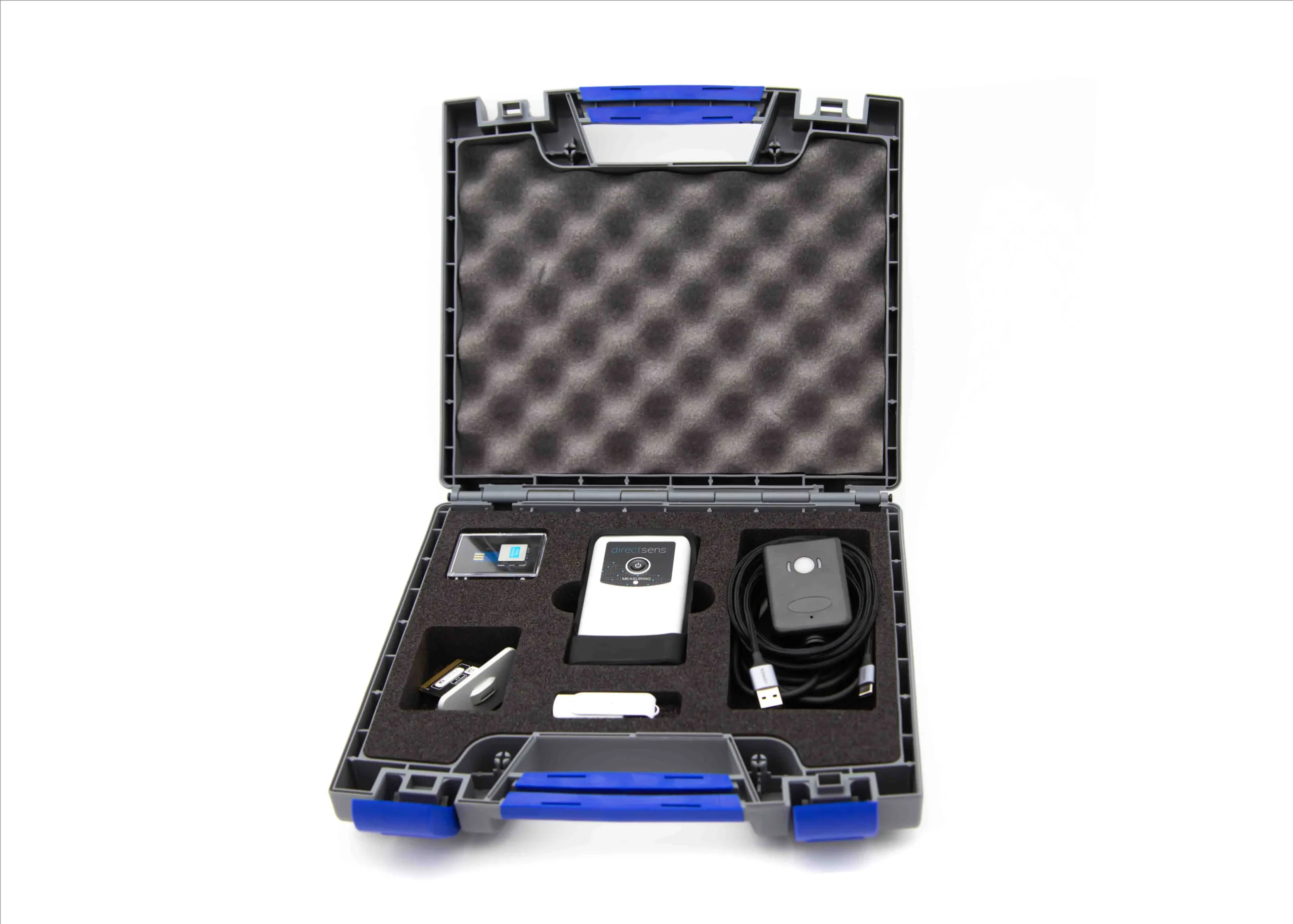
Reader
USB A/C cable
Calibration Device (LM10)
External QR code reader
Spare front adapter
Manuals (on USB flash drive)
DirectSens® PC software (on USB flash drive)
Carrying hard case
DirectSens®
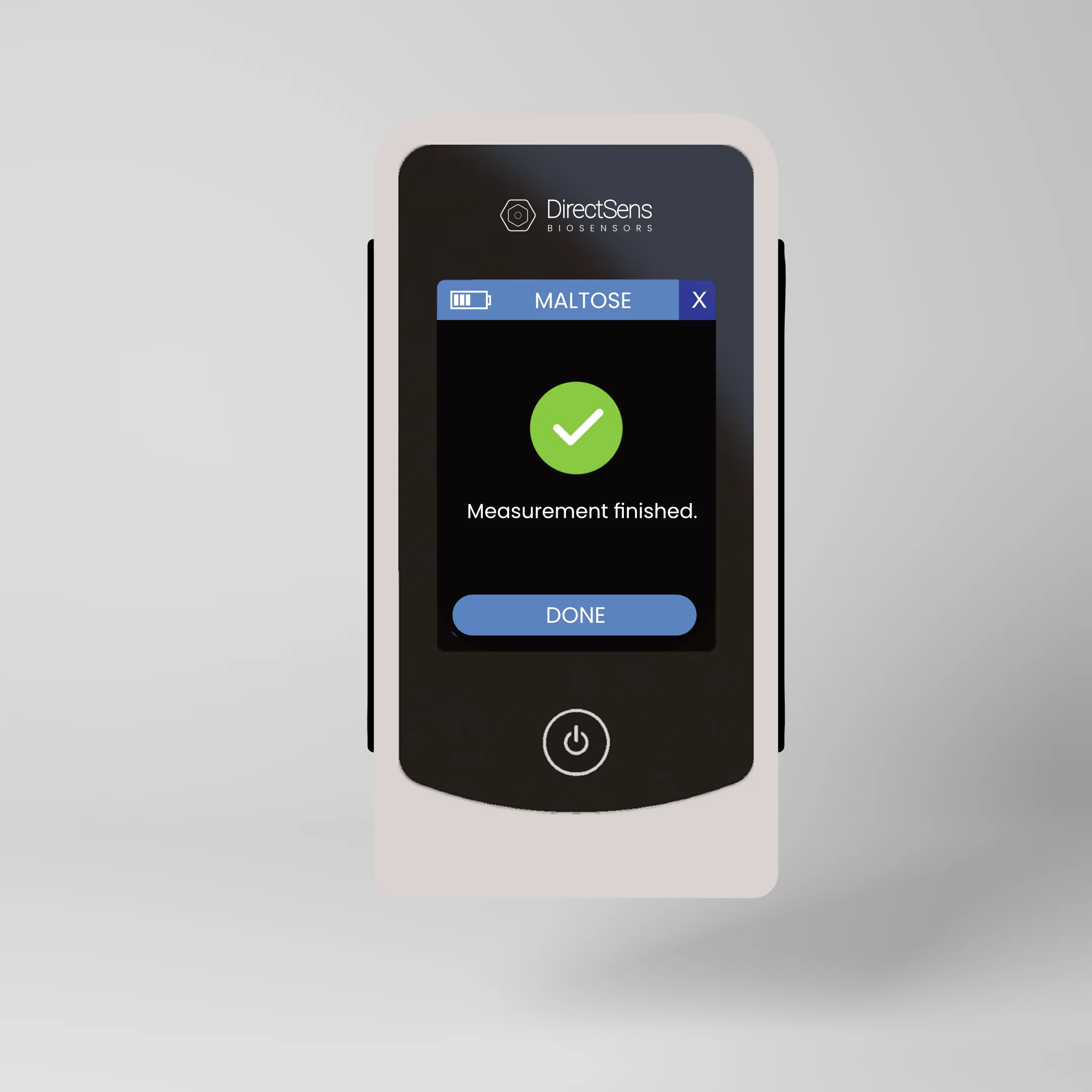
Reader T4 Kit
Device Type
Handheld (battery)
Housing
Robust aluminum
Features
Touch screen
Intuitive software
Multi parameter capability
Integrated QR code scanner
USB / BT data exchange
Included
Reader
USB A/C cable
Calibration Device (LM10)
Spare front adapter
Manual
DirectSens® PC software
Carrying soft case
Benefits
The quantification of glucose and maltose in cereal-based samples like oat and rice drinks is challenging because high concentrations of maltotriose and higher glucose oligomers are present which behave chemically similar to maltose.
The DirectSens® Maltose & Glucose Kit is highly robust against cross sensitivities to maltotriose and other sugars. The following concentrations do not interfere with the measurements:
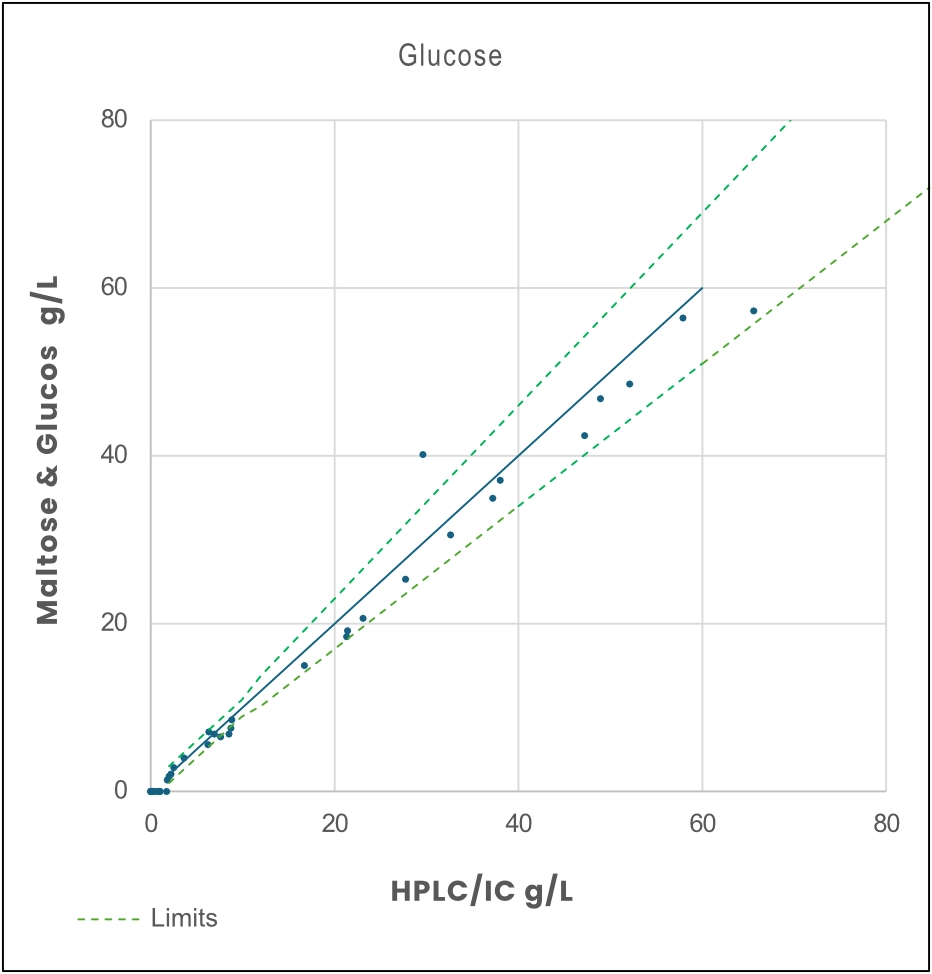
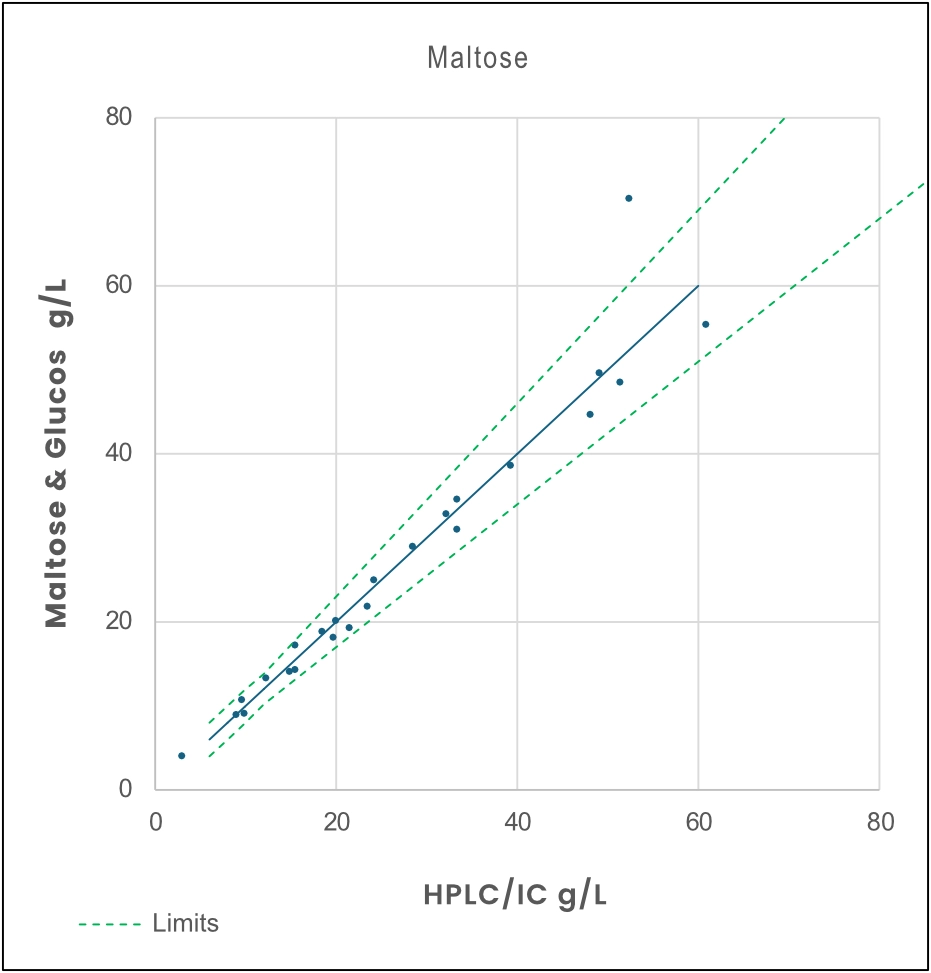
The calibration of the sensors is done by experts in the factory which enables reliable and accurate measurements and saves working time in the lab. Fig. 1 and Fig. 2 show the measurement results for glucose and maltose in comparison to HPLC measurement results for different commercial oat and rice drink samples including flavored variants (cocoa, cocos, pumpkin seed, hemp protein).
The DirectSens® Maltose & Glucose Kit is highly robust against cross sensitivities to maltotriose and other sugars. The following concentrations do not interfere with the measurements:
- Maltotriose: 60 g/L
- Sucrose: 60 g/L
- Fructose: 60 g/L
- Raffinose: 10 g/L
The calibration of the sensors is done by experts in the factory which enables reliable and accurate measurements and saves working time in the lab. Fig. 1 and Fig. 2 show the measurement results for glucose and maltose in comparison to HPLC measurement results for different commercial oat and rice drink samples including flavored variants (cocoa, cocos, pumpkin seed, hemp protein).
The user is led by an intuitive software through a simple measurement procedure. After an initial training on how to use a pipette and how to perform the measurement, anyone can do it – chemical expertise is not needed. Calibration work is not necessary – the sensors come readily factory calibrated.
After preparation of the stock dilution with deionized water, the whole measurement protocol can be carried out in approximately 12 minutes.
No lab environment and no lab personnel are required. Just find any space that is large enough to do the dilution and the measurement and ensure that the room temperature stays between 20 – 24 °C (68 – 75 °F).
After a simple dilution with deionized water, the protocol can be carried out in about 12 minutes.
A professional QC operation includes periodic check-ups for the system performance. The standard delivery content of each DirectSens® Biosensor setup includes everything that is needed to do this quickly, reliably, easily and fully tracable including electronic reporting. Two check up procedures are supported:
- Measurement performance check: Each Maltose & Glucose Kit comes with a vial of positive control that can be used to check if the measurement is providing valid results for both maltose and glucose.
- Reader performance check: The reader kit includes an electronic reader check device that can be used for periodical checks of the reader performance.
The reader is maintenance free. If sample liquid accidentally enters the biosensor slot, you can exchange the front part of the reader easily and quickly without the need for service people coming to your place. It´s a simple one-screw operation that anyone can do.
All measuring and performance check data that was generated using the handheld reader can be quickly transferred to the DirectSens® PC software via USB or Bluetooth. The PC software generates xls, csv or pdf files as needed for further data analysis, reporting or LIMS connection.
The reader fits into the palm of a hand – therefore it does not occupy valuable lab space. Just take it out of the drawer when you need it.
The housing is made of massive aluminum and protected by rubber parts. Not easy to destroy.
We help you to get your measurements right: With product manuals, application notes, tutorial videos, product manuals, application notes, tutorial videos, online trainings, technical service, and application support via email, online or phone – fast, competent, and friendly. All services except training are free of charge.
All liquids involved in the measurement are water based, nontoxic, nonflammable and can after use be disposed of in the wash basin. Wearing gloves is only necessary in case of allergies against ingredients. The biosensor test strips can be disposed of in standard household waste.
We work under strict quality control and full ISO 9001 certification to ensure that each product leaves our house in full compliance with the specified performance. We are the only producer of food biosensors holding an AOAC OMA and a Nordval certificate (for the LactoSens®). We are aiming for equivalent external certifications also for our newer products in the future.
Are you struggling to keep the costs down for your QC operations? Regular measurements not only imply the investment costs for the instrument and the costs per test, but also labor cost, service and maintenance, costs for the lab bench space and delivery costs in case you are sending samples to an external lab.
In comparison to other methods, DirectSens® Maltose & Glucose is an effective way to save on total costs of operation (TCO) if you have a low to medium sample throughput.
In comparison to other methods, DirectSens® Maltose & Glucose is an effective way to save on total costs of operation (TCO) if you have a low to medium sample throughput.
Got Questions?
Scroll

We've got the answers!
Contact us today, and our team will be happy to assist you with personalized support.
Contact Us